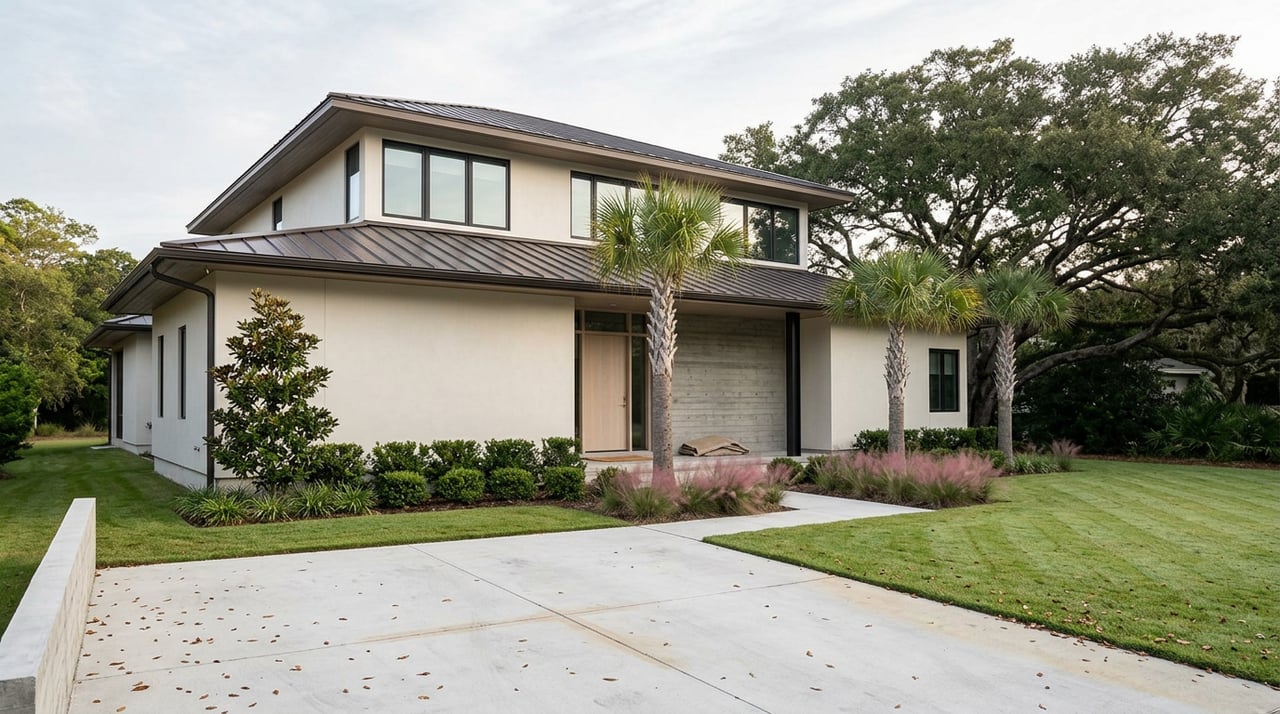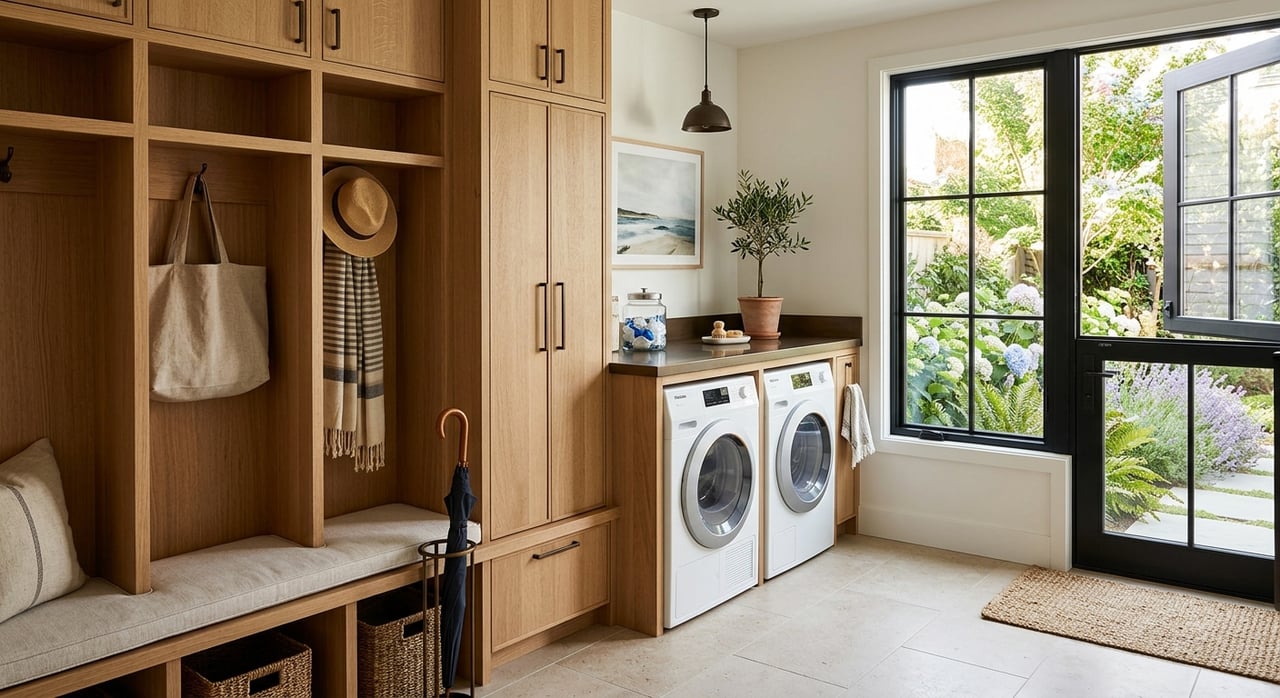
You do not always find value-add potential by chasing the cheapest house on the block. In Wilmington, the better opportunity often comes from spotting a home with solid fundamentals, a weaker layout, or update needs you can solve without stepping into avoidable permit or compliance issues. If you are buying, investing, or preparing a coastal property for resale, understanding where value really comes from can help you make sharper decisions. Let’s dive in.
Why Wilmington value-add needs a careful lens
Wilmington offers real opportunity, but it is not a market where every renovation idea is equally simple. According to the U.S. Census QuickFacts for Wilmington, the city has a 47.6% owner-occupied housing rate and a median owner-occupied value of $383,800, while New Hanover County shows a 61.4% owner-occupied rate and a median value of $387,800. That lower owner-occupied rate inside the city suggests a larger rental or investor presence, which can create openings for buyers who know how to evaluate condition and upside.
At the same time, feasibility matters here. The City of Wilmington requires permits for alterations, remodeling, upfits, and expansions, and New Hanover County issues building permits for city properties through its permitting system. In other words, value-add in Wilmington is not just about vision. It is about knowing which improvements are realistic, compliant, and worth the effort.
Start with layout, not finishes
A fresh kitchen or new paint can make a strong first impression, but the best long-term value often starts with floor plan function. If a home feels awkward to live in, cosmetic updates alone may not fully solve the problem. In many cases, the greater upside comes from improving how the square footage works.
Good candidates often include homes with:
- Closed-off kitchens
- Awkward circulation between main living areas
- Underused formal rooms
- Weak storage or laundry function
- Bedroom and bathroom counts that do not fit nearby housing patterns
These issues can create opportunity because they affect everyday livability. A home that already flows well may still benefit from finish updates, but a home with inefficient space planning may offer a deeper value-add path if the reconfiguration is feasible.
Focus on updates buyers notice first
If you want improvements with broad buyer appeal, start with the changes people see and feel immediately. The National Association of REALTORS® 2025 Remodeling Impact Report notes that buyers are less willing to compromise on condition, and REALTORS® most often recommend paint, roofing, kitchen work, and bathroom work before sale.
That lines up well with what tends to move the needle in coastal homes. The safest value-add projects are often the straightforward ones that improve presentation, comfort, and confidence.
High-impact updates to consider
- Interior paint
- Minor kitchen refreshes
- Bathroom renovations
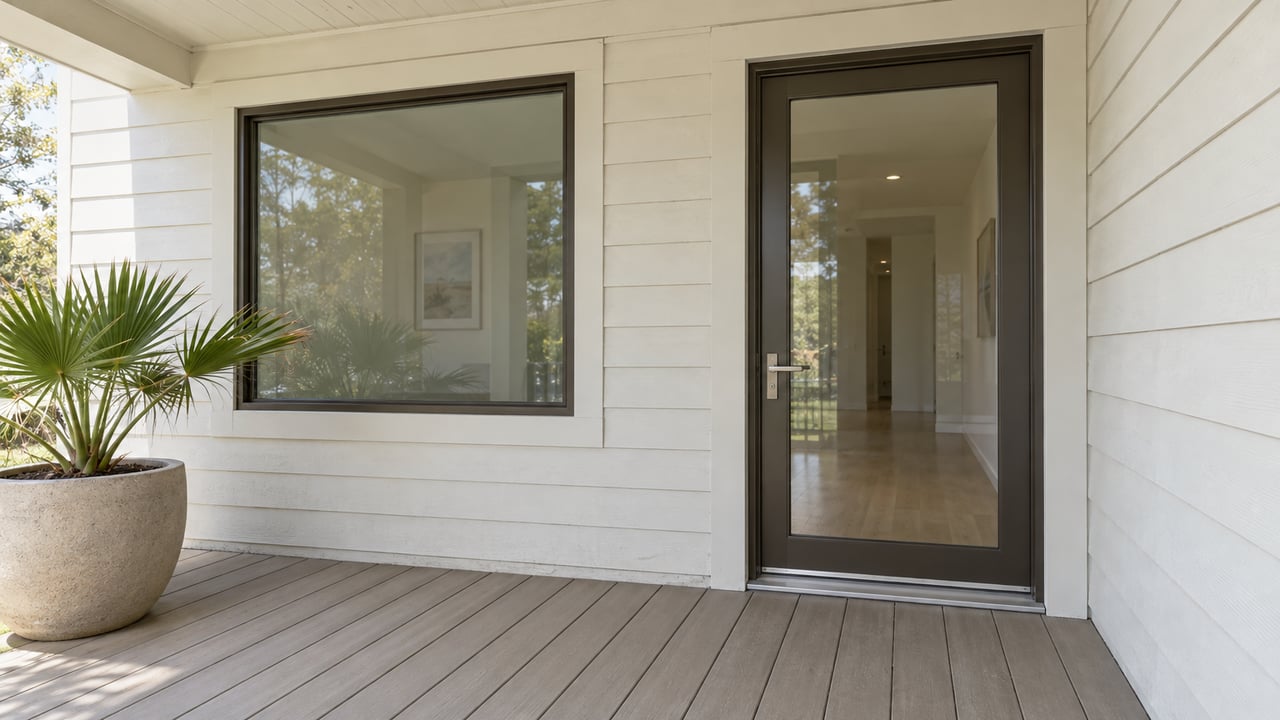
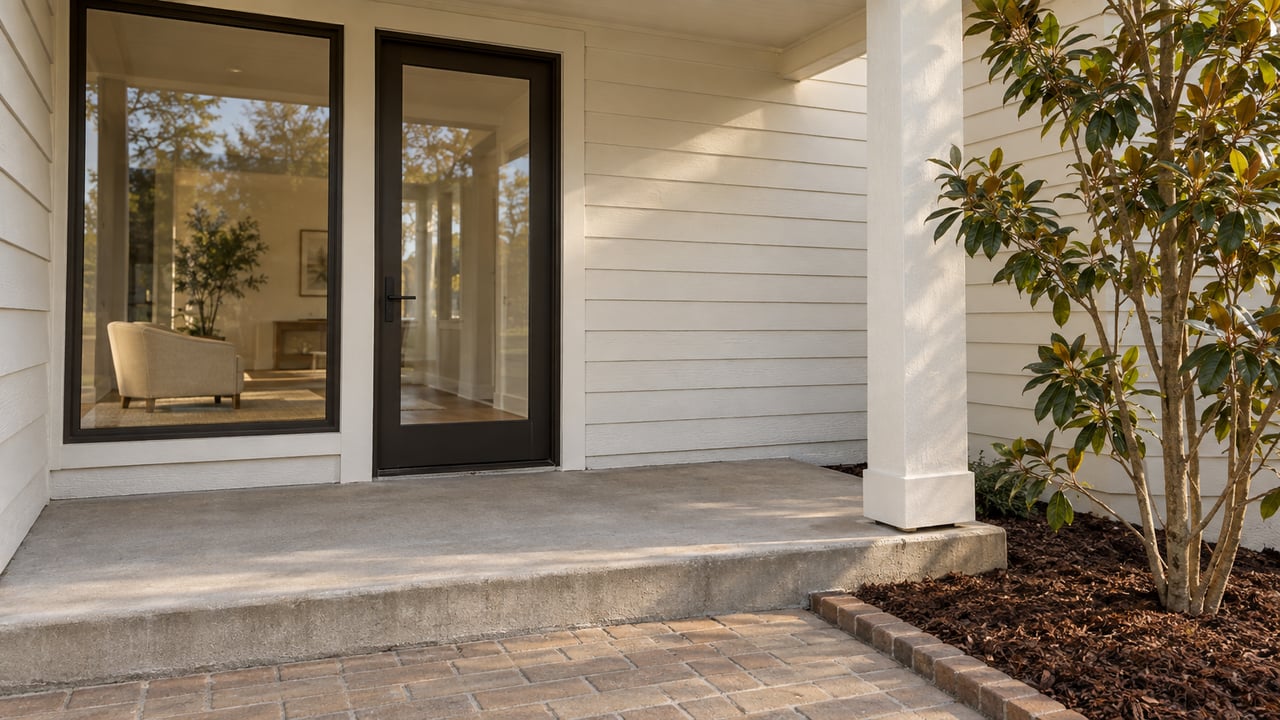
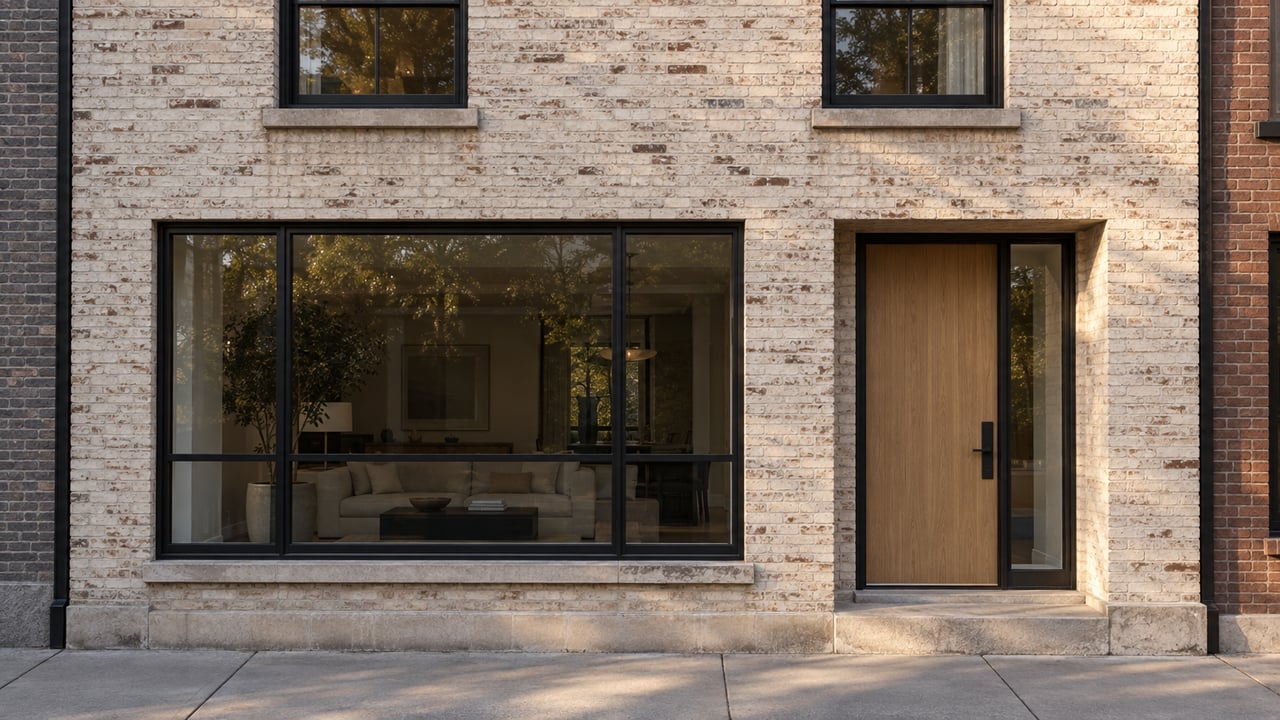
- Front door replacement
- Roof replacement when the current roof is worn
NAR also reports that a steel front door ranks among the strongest cost-recovery projects, while kitchen and bathroom updates continue to perform well. These are not flashy ideas, but they often support resale better than highly personal upgrades.
Know when historic rules affect the plan
In Wilmington, exterior improvements can be more sensitive than many buyers expect. The city has multiple historic districts and overlays, and exterior changes in local historic districts may require a Certificate of Appropriateness. Major work can include roofs, windows and doors, masonry, porches, additions, new construction, relocation, and demolition.
That matters if you are underwriting a project based on curb appeal upgrades. A new roof, replacement windows, porch work, or an addition may involve more than budget and contractor scheduling. It may also require a review process that affects timing, scope, and design choices.
Why this matters for value-add buyers
If you are comparing two homes with similar pricing, the one outside a historic review area may offer a more flexible improvement path. On the other hand, a home within a historic district may still be a smart purchase if you understand the rules and build the right timeline from the start. The key is to treat compliance as part of the investment analysis, not as an afterthought.
Check flood risk before you count profit
In coastal North Carolina, flood risk should always be part of your first-pass review. FEMA’s Flood Map Service Center is the official public source for flood-hazard maps, and New Hanover County notes that new construction and substantial improvements must meet standards related to elevation, anchorage, and foundations in flood conditions.
Just as important, local floodplain determinations are made at permit issuance by the city or town official. That means a quick map check is useful, but it is not the whole story. If your project involves major work, floodplain standards can directly affect cost, scope, and feasibility.
Coastal questions worth asking early
- Is the property in or near a mapped flood hazard area?
- Could the planned work qualify as a substantial improvement?
- Will foundation, elevation, or anchorage requirements affect the budget?
- Does the permit pathway involve additional local review?
These questions are especially important for buyers evaluating older coastal homes with deferred maintenance or major renovation plans.
Watch for CAMA and stormwater triggers
Some Wilmington-area properties near wetlands, shorelines, ocean beaches, inlets, or other Areas of Environmental Concern may also involve CAMA review. According to New Hanover County’s CAMA Permit Program, development in those areas can require a CAMA minor permit, including for single-family homes.
The county says complete minor permit applications are often reviewed in 3 to 7 business days, though they can take up to 25 days. For projects creating 10,000 square feet or more of new impervious surface, the county also requires a drainage plan and a stormwater permit.
This is one reason experienced, early planning matters so much. A project that looks simple at first glance can change quickly once site conditions, drainage, shoreline rules, or permitting thresholds come into view.
Understand permit scope before you buy
Wilmington’s permit process is structured enough that buyers should factor it into due diligence. The city explains that minor residential alteration, remodel, or repair work is defined by a single inspection, while major work involves two or more inspections.
That distinction can help you think more clearly about project risk. A cosmetic update with limited trade involvement is very different from a renovation touching structure, plumbing, electrical, mechanical systems, or multiple permit categories. The more moving parts involved, the more careful your feasibility review should be.
Projects that usually need early professional input
Bring in licensed professionals early when a project involves:
- Structural changes
- Floodplain-related work
- Shoreline, wetland, or CAMA concerns
- Historic-district exterior work
- Stormwater or drainage triggers
- Multiple trades such as plumbing, electrical, and mechanical work
If you are buying for value-add, this step can protect both your timeline and your margin. It can also help you avoid overestimating what is possible before closing.
A practical way to screen Wilmington homes
When you tour a coastal home with value-add potential, it helps to think in layers. Start with what can be improved easily, then move toward what may require deeper review. This keeps emotion from driving the decision.
A simple screening checklist
- Assess the layout first. Look for wasted square footage, poor flow, or rooms that do not fit modern use.
- Review visible condition. Paint, kitchens, baths, doors, and roofing often offer the clearest early wins.
- Check the exterior context. Confirm whether the property may be in a historic district or overlay.
- Review flood exposure. Use FEMA maps as an initial screen and remember that local permit review still matters.
- Look for site constraints. Wetlands, shoreline proximity, and impervious-surface expansion can affect approvals.
- Match the project to the permit path. Cosmetic work, single-inspection jobs, and major multi-trade renovations carry very different levels of complexity.
This kind of disciplined review is especially useful in Wilmington, where physical asset risk and regulatory complexity can shape the real value of a property.
Why the right advisor matters
In a coastal market, value-add is rarely just about style. It is about understanding the relationship between layout, condition, permitting, and site-specific constraints before you commit capital. That is where practical, construction-aware real estate guidance can make a meaningful difference.
Whether you are searching for a second home with upside, comparing investment opportunities, or deciding how to improve a property before selling, a measured strategy can help you protect value and avoid expensive surprises. If you want a discreet, technically informed perspective on Wilmington coastal homes, connect with Crystal Austin to schedule a private consultation.
FAQs
What makes a Wilmington coastal home a good value-add candidate?
- A strong candidate often has inefficient layout, dated finishes, or deferred maintenance that can be improved without triggering outsized compliance, floodplain, or site-related complications.
Do Wilmington home renovations usually require permits?
- Yes. The City of Wilmington requires permits for alterations, remodeling, upfits, and expansions, with permit scope depending on the type of work involved.
Do historic districts affect exterior updates in Wilmington?
- Yes. Exterior changes in local historic districts may require a Certificate of Appropriateness, especially for work involving roofs, windows, doors, porches, masonry, or additions.
How should buyers check flood risk for Wilmington homes?
- Start with FEMA’s Flood Map Service Center, then remember that local floodplain determinations are made during permit review by the applicable city or town official.
When can CAMA rules affect a Wilmington-area property?
- CAMA review may apply when a property is near wetlands, shorelines, ocean beaches, inlets, or other Areas of Environmental Concern, including some single-family home projects.
Which updates tend to offer the clearest resale impact in coastal homes?
- Interior paint, kitchen improvements, bathroom renovations, front door replacement, and roof replacement are among the updates most often associated with strong buyer appeal and value retention.