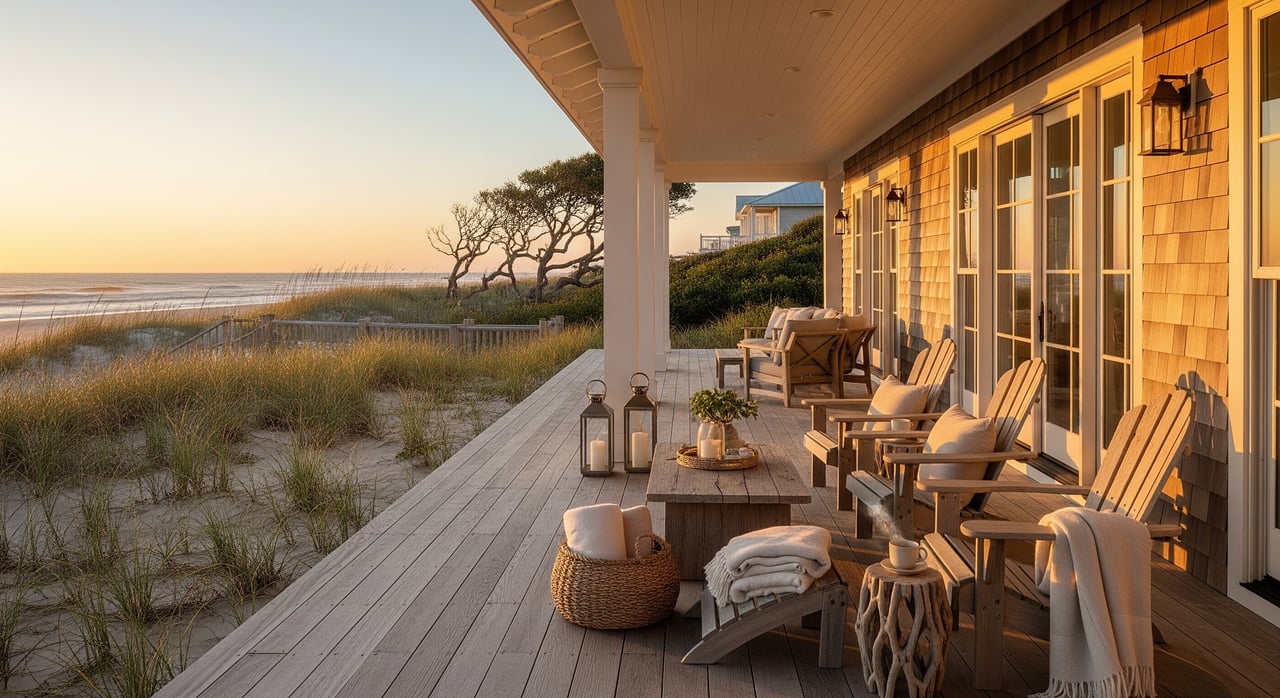
Thinking about an Oak Island beach house but want a real sense of what life feels like month to month? You are smart to ask. Daily rhythms change with the seasons here, and those shifts influence how you use your home, plan travel, and manage maintenance. In this guide, you will see what to expect in winter, spring, summer, and fall, plus practical tips on traffic, storm readiness, rentals, and ownership logistics. Let’s dive in.
Oak Island at a glance
Oak Island is a barrier-island community in Brunswick County with a blend of year-round residents, part-time owners, and seasonal visitors. You will find a mix of single-family homes, condos, small commercial strips, restaurants, and public beach access points. Core services such as groceries, pharmacies, and basic medical care are available nearby throughout the year, while larger retail and specialized medical services are on the mainland in places like Southport and Wilmington.
Getting on and off the island is simple most of the year. Traffic picks up in summer, especially on holiday weeks and Saturday changeover days. Many owners plan arrivals early in the morning or later in the evening to avoid peak congestion at the bridge and popular beach access points.
Winter: quiet and restorative
December through February is the quietest stretch. Tourism slows, and you will notice calmer streets and easy parking. Many restaurants operate with shorter weekday hours, and some seasonal spots close until spring. The beaches are peaceful for walking, birdwatching, and fishing. Lifeguards are generally off duty except for occasional events.
For owners, winter is a great time to schedule inspections and non-urgent repairs. Contractor calendars are more open, and you can address moisture control, HVAC service, and any small projects. Utility usage is lower, though you still want to watch for brief cold snaps and keep an eye on pipes and thermostats. If you like a slower pace and knowing your neighbors, winter offers both.
Spring: shoulder season setup
From March through May, days get milder and weekends become livelier. Spring break weeks and early vacationers return, and local community events and volunteer activities pick up. Weekdays remain calm, and mornings and evenings are pleasant for beach time.
This is also when you start planning for hurricane season, which runs June 1 through November 30. A spring review of insurance, emergency contacts, and supplies helps you stay ahead. If you rent your home, late spring is when property managers and contractors get busy prepping for summer guests.
You will also see more awareness around wildlife. Sea turtle nesting activity typically runs from late spring into early fall, with peak activity in summer. Expect local rules about beachfront lighting at night and friendly reminders to keep beaches clear of obstacles.
Summer: peak energy and careful planning
June through August is peak season. Beaches are active from sunrise to sunset, with daily lifeguard coverage and full schedules at local businesses. Weeklong stays are common, and traffic is heaviest on Saturdays and during holiday weeks.
If you rent, this is your highest occupancy period. Turnover days require coordination with cleaning crews, linen services, and managers. Expect more wear and tear on decks, HVAC systems, and exterior finishes. Planning for early grocery runs, backup dining options, and flexible arrival times helps your days feel easier during the busiest weeks.
Even if you do not rent, summer is a wonderful time to embrace daily routines around the sun and tides. Early walks, midday swims, and sunset beach strolls are standard. Parking near popular accesses fills quickly, so consider a bike, golf cart, or an earlier start.
Fall: golden weeks with an eye on readiness
September through November brings warm water early in the season, lower humidity, and a more relaxed beach experience. After Labor Day, crowds thin, and many owners return for long weekend stays. Fishing and boating are excellent in this stretch.
Keep in mind that hurricane season remains active through November. This is the time to confirm that your emergency supplies are fresh and that backup power or re-entry plans are clear if needed. Once the rental season winds down, owners often schedule post-season repairs, exterior painting, deck work, or other maintenance while contractor availability improves.
Weather, wildlife, and coastal realities
Summers are hot and humid with frequent afternoon thunderstorms. Winters are generally mild for coastal North Carolina, with daytime highs often in the 50s or 60s. Spring and fall have comfortable temperatures and are popular for travel.
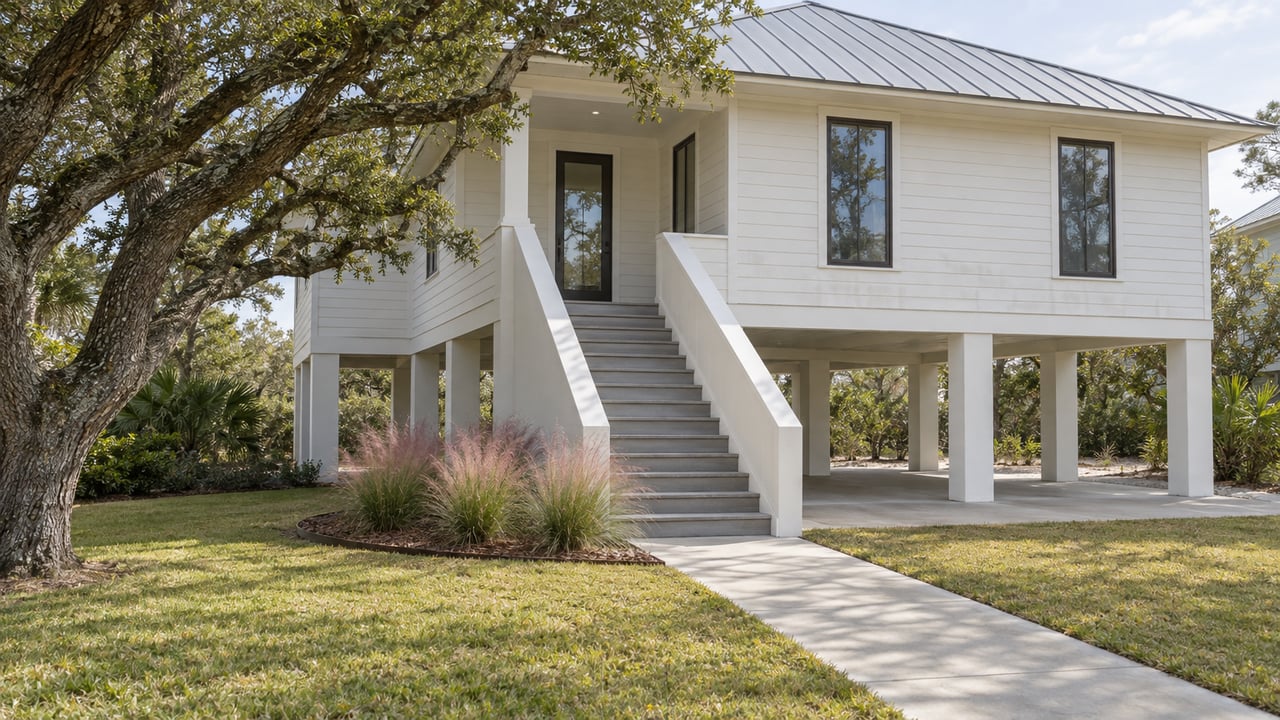
Hurricanes are a seasonal risk from June through November, with a typical peak in late summer into early fall. Many owners carry both wind or hurricane coverage and flood insurance, especially if the property sits in a mapped flood zone. Elevated construction, impact-resistant openings, well-maintained roofs, and standby generators are common choices for added resilience.
Coastal beaches naturally change. Storms and seasonal patterns can alter dune lines and beach width, and local authorities sometimes conduct beach renourishment and dune restoration. That work can temporarily affect certain access points or create construction noise. You will get notices when town projects are scheduled so you can plan beach days and contractor visits around them.
Sea turtle nesting season usually spans late spring to early fall. You may see volunteers, signage, and lighting guidelines to protect hatchlings. Following posted rules helps preserve both wildlife and the beach experience for everyone.
Short-term rentals: what to expect
Short-term rentals are common in Oak Island, especially in summer. If you plan to rent, you will need to follow local registration and occupancy tax requirements. Many owners use property managers to handle guest communication, cleaning, compliance, and scheduling.
Rental activity concentrates traffic, parking demand, and noise during peak weeks. If you want a quieter setting, consider locations away from the busiest beach accesses or plan for personal use in shoulder seasons. A balanced approach can preserve your family’s use while capturing income in the months with the strongest demand.
Ownership logistics and day-to-day realities
- Services and deliveries: Utilities, mail, and package services operate year-round. Internet installers and specialty contractors may book out further in summer. If you rent, a property manager can coordinate deliveries and avoid guest conflicts.
- Insurance and budgeting: Coastal ownership often includes homeowners or wind coverage, flood insurance if required by a lender, and routine maintenance costs. Budget for seasonal wear, HVAC servicing, exterior corrosion control, and potential post-storm repairs.
- Local rules: Expect beach access rules, dune protection, leash laws, and seasonal pet restrictions on beaches during daytime hours in peak months. Check posted guidance for dates, times, and locations.
- Medical and daily needs: Everyday essentials are nearby on or near the island, while specialized medical care is typically on the mainland. Many owners keep a simple list of local providers and contacts for quick reference.
A day in July vs. a day in January
Here is a simple snapshot to help you visualize the difference.
July day
- Early morning: Coffee on the deck, sunrise beach walk before parking fills.
- Midday: Beach or boating, plan a shaded lunch at home, watch for pop-up storms.
- Late day: Sunset stroll, dinner out or takeout. Build in extra time for traffic and waits.
January day
- Morning: Quiet beach walk, fishing, or a maintenance check. Contractor appointments are easier to schedule.
- Midday: Lunch on the mainland or a relaxed hour at home. Shops have shorter hours.
- Late day: Low-key evening with neighbors, then a peaceful night on the porch.
Hurricane season checklist
Use this quick list to prepare well before June.
- Review insurance policies and contact info. Confirm flood coverage if applicable.
- Create a property photo log and save electronic copies of key documents.
- Service HVAC, test sump pumps, and check roof, gutters, and downspouts.
- Stock water, batteries, flashlights, and a basic first-aid kit.
- Confirm a local contact for property checks if you are out of town.
- If you rent, coordinate guest messaging and post-storm protocols with your manager.
Picking the right location on Oak Island
Your ideal spot depends on how you plan to use the home.
- Beachfront or second row: Direct access and views, with higher exposure to wind, salt, and flood risk. Budget for exterior upkeep and insurance that reflects the location and elevation.
- Mid-island or near the Intracoastal Waterway: Quieter daily rhythm and often easier parking. A good fit if you prefer calm streets during peak season.
- Near popular beach accesses and commercial strips: Convenient to dining and activities. Expect busier weekends in summer.
No matter the location, look for resilient materials, proper drainage, and thoughtful ventilation. Simple choices like dehumidifiers, corrosion-resistant fixtures, and routine exterior maintenance help protect your investment and your comfort.
How a trusted local advisor helps
Buying a coastal home is part lifestyle and part risk management. You want someone who protects your privacy, understands construction details, and can guide you through seasonal realities and rental considerations. With hands-on contractor fluency and a protective, client-first approach, you can evaluate elevation, building systems, insurance needs, and maintenance with clarity. If you are considering Oak Island, you deserve advice that covers both the market and the physical asset so your home works for you year-round.
Ready to explore options or walk a few locations to compare the feel by season? Connect with Crystal Austin for a discreet, technical, and calm approach to coastal buying and ownership.
FAQs
How busy are Oak Island summers for homeowners?
- Summer is the peak season, with full beaches, daily lifeguard coverage, and heavy traffic on holiday weeks and Saturday changeover days. Plan arrivals and errands outside peak hours.
What is winter like for second-home owners on Oak Island?
- Winter is quiet, with fewer visitors, easier contractor scheduling, and peaceful beach time. Some businesses reduce weekday hours, and lifeguards are generally off duty.
When is hurricane season on the North Carolina coast?
- Hurricane season runs June 1 through November 30, with activity often peaking in late summer and early fall. Many owners carry wind and flood insurance and keep an emergency plan.
Are there sea turtle rules I should know about?
- Yes. Nesting typically occurs from late spring into early fall. Expect nighttime lighting guidelines near the beach, marked nests, and posted rules that protect hatchlings.
What should I know about flood zones and insurance?
- Many barrier-island properties are in mapped flood zones, and lenders commonly require flood insurance for those areas. Elevation and construction standards help, but storm surge remains a key risk to plan for.
How accessible are groceries and medical services year-round?
- Basic services are available on or near the island all year. For specialized medical care, most owners use providers and hospitals on the mainland in nearby cities.
What are the basics of short-term rental rules in Oak Island?
- Short-term rentals are common and subject to local registration and occupancy taxes. Many owners hire property managers to handle compliance, scheduling, and guest services.
Are dogs allowed on Oak Island beaches in summer?
- Many coastal towns restrict dogs on beaches during daytime hours in peak season. Check posted local rules for current dates, times, and leash requirements.