What makes some Oak Island homes draw multiple offers while others take longer to sell? When you look past curb appeal, you find clear forces at work: who is buying, where the home sits, and how coastal rules and insurance affect costs. If you understand these drivers, you can time your move, set the right price, and avoid surprises. This guide breaks down the factors that shape Oak Island’s market so you can plan with confidence. Let’s dive in.
Who’s buying on Oak Island
Second-home and vacation buyers
Many buyers come from the Mid-Atlantic, Northeast, and larger North Carolina metros. They want easy beach access, low-maintenance living, and strong rental potential. Homes that are turnkey and close to the sand, with views and outdoor space, see steady demand.
Luxury and move-up buyers
High-end buyers seek privacy, water access, and year-round comfort. Modern elevated builds, oceanfront estates, and custom homes often set price benchmarks. These purchases can lift values for premium locations.
Short-term rental investors
Investors target weekly demand in peak season. They focus on price against projected nightly rates, occupancy, and HOA rules. Turnkey properties and condos with flexible rental policies see more competition.
Retirees and relocations
Retirees and remote workers value the coastal lifestyle and practical access to services. Single-level and low-maintenance homes are common targets. Proximity to town centers and medical amenities supports long-term appeal.
Local workforce housing
Local employees and families face limited affordable supply as coastal prices rise. This tight inventory can affect labor availability for local services and adds pressure to lower price points.
What inventory mix means for price
Oceanfront
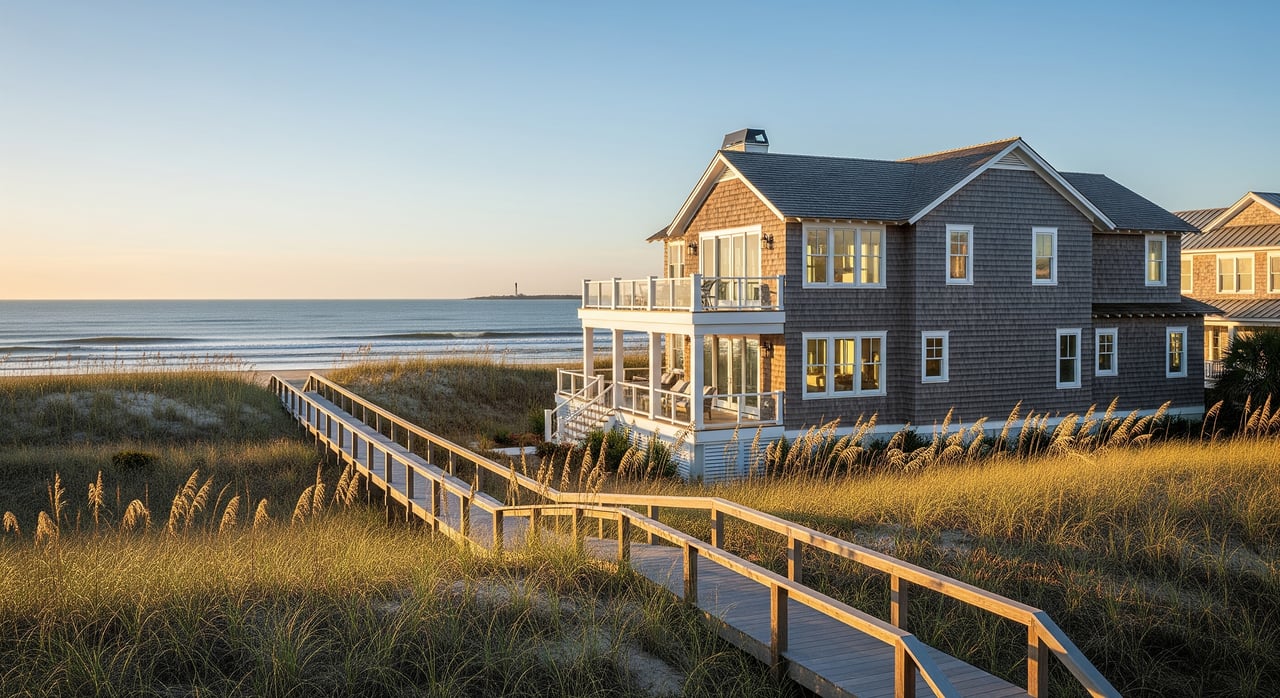
Oceanfront carries the highest price per square foot. Unobstructed views, private access, dune setbacks, parking, and elevators add value. Expect higher wind and flood insurance costs, salt-related maintenance, and stricter elevation and permitting requirements.
Intracoastal Waterway frontage
ICW frontage is a close second in value, driven by water views and boating. Dockage, water depth for larger boats, and protective bulkheads influence pricing. ICW homes can have strong year-round appeal for boaters.
Canal homes
Interior canal homes vary by canal size and access. They are often more affordable than ICW frontage but attractive to small and medium boat owners. Direct ICW access and seawall condition are key value points.
Condos and townhomes
These properties appeal to seasonal users and investors who want easier management. HOA rental rules, parking, amenities, and insurance structure matter to both usage and returns. Special assessments and restrictions can change long-term costs.
Inland single-family and lots
Inland homes and lots are generally more affordable. Buildability, elevation needs, septic versus sewer, and utility access shape value. Proximity to the beach, shops, and services can move prices even within the same street.
New construction trends
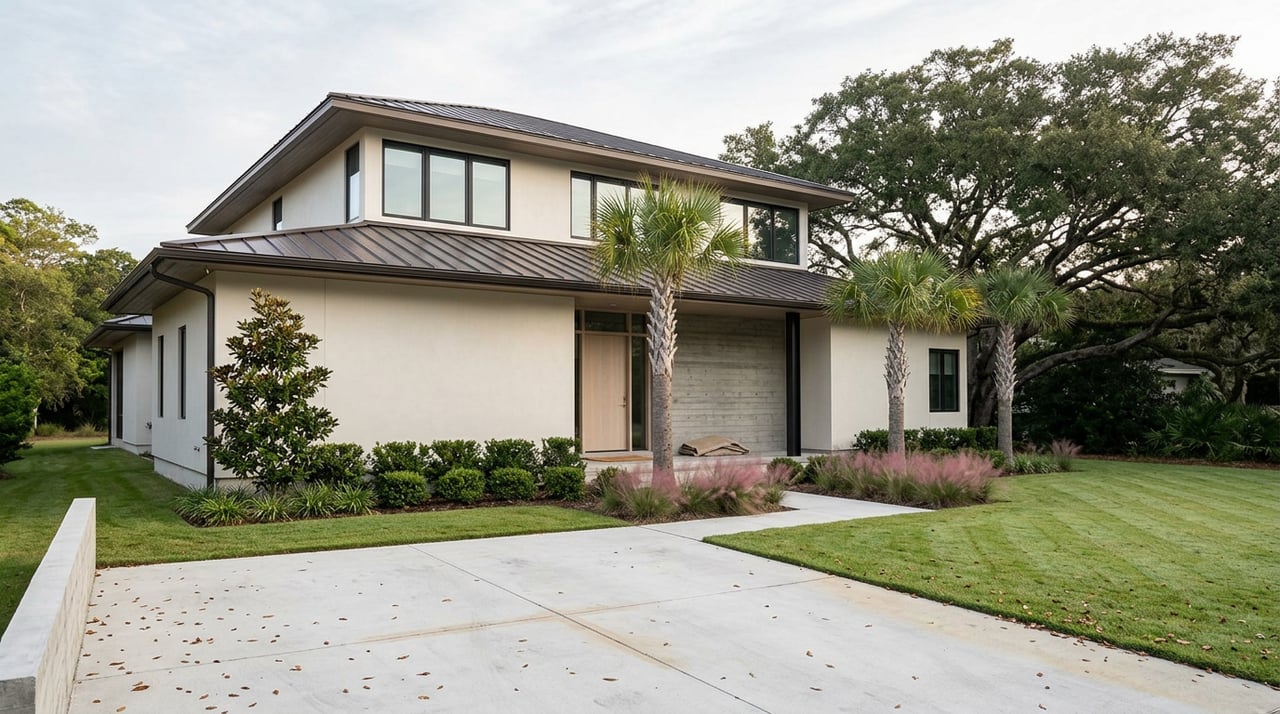
Older cottages are often replaced with elevated modern homes. Pile foundations and higher finished-floor elevations meet current codes and reduce risk. New builds raise local comps but also cost more per square foot due to materials, code standards, and lot scarcity.
Seasonality and timing
Peak vs. off-season
Listings and buyer traffic peak in spring and early summer. In-season sellers can capture stronger prices due to demand, while off-season buyers may find more room to negotiate. Off-season also means fewer turnkey options to choose from.
Showings and rental cycles
Second-home and investor activity often follows vacation schedules. During the summer, showings can be limited by rental turnover windows. Plan travel and access in advance if you are targeting active rental properties.
Insurance, flood, and risk
Coastal wind and flood premiums have risen in many North Carolina markets. Availability and cost vary by flood zone, elevation, and property type. Insurance and elevation certificates can add time to closings, so start quotes early and include these costs in your budget.
Short-term rental rules
Oak Island and Brunswick County have ordinances and HOA rules that govern short-term rentals. Registration, safety requirements, occupancy rules, and association policies affect both returns and resale. Verify local code and HOA documents before you buy or list a property for rental use.
Beach projects and infrastructure
Public investment in beach nourishment, dune restoration, and access points supports long-term property values. These projects can carry tax or assessment impacts. Easy access to bridges, grocery stores, and medical services improves year-round livability and can help resale.
Buyer checklist: move with clarity
- Define your lifestyle and return goals: personal use, rental income, or both.
- Choose your water profile: oceanfront, ICW, canal, or inland value.
- Price risk into your plan: get early quotes for wind and flood insurance.
- Confirm rental rules: check municipal and HOA policies if income matters.
- Schedule specialist inspections: elevation, pilings, seawalls, corrosion, septic or sewer.
- Plan your timing: visit in-season to gauge rental demand and off-season to negotiate.
Seller strategy: earn top results
- Time your launch for late spring or early summer when buyer traffic peaks.
- Lead with coastal features: elevation, shoreline or dock work, parking, elevator, and turnkey condition.
- Prepare documentation: insurance details, elevation certificate, permits, maintenance, and rental history if applicable.
- Optimize presentation: address saltwear, refresh exterior coatings, and service HVAC to show care.
Pricing dynamics in practice
- Oceanfront leads on price per square foot, followed by ICW, then canal. Condos and inland homes typically offer lower entry points.
- Micro-location matters. Distance to public beach access, views, and proximity to restaurants and shops can shift value even on the same street.
- Newer elevated construction and high-amenity features often reset local comps. Older homes may trade at a discount unless updated or on a premium lot.
Work with a trusted coastal advisor
You deserve guidance that blends market depth with practical, on-the-ground expertise. With a privacy-first approach and hands-on construction fluency, you gain an advocate who can evaluate elevation, docks, seawalls, and coastal systems while navigating timing, insurance, and rental rules. If you are planning a purchase or sale on Oak Island, connect with Crystal Austin to plan your next step with confidence.
FAQs
How much more do oceanfront homes cost on Oak Island?
- Oceanfront typically carries the highest price per square foot, with ICW next and canals after that, but exact premiums vary by views, access, elevation, and recent comps.
Are short-term rentals allowed on Oak Island?
- Short-term rentals are common, but town ordinances and HOA rules set registration, safety, occupancy, and property standards that you must verify before buying or listing.
How do flood zones and insurance affect affordability?
- Flood zone, elevation, and wind exposure influence insurance costs, so early quotes and elevation certificates are important for budgeting and closing timelines.
When is the best time to buy or sell on Oak Island?
- Spring and early summer bring more listings and buyers, while late fall and winter can offer less competition for buyers and more negotiating room.
What inspections are critical for coastal properties?
- Prioritize elevation, pilings, seawalls or bulkheads, roof systems, corrosion on HVAC and metal components, and septic or sewer evaluations.
Do new construction and elevation requirements impact value?
- Elevated modern builds that meet current codes often command higher prices due to reduced risk, updated systems, and strong buyer preference for turnkey homes.