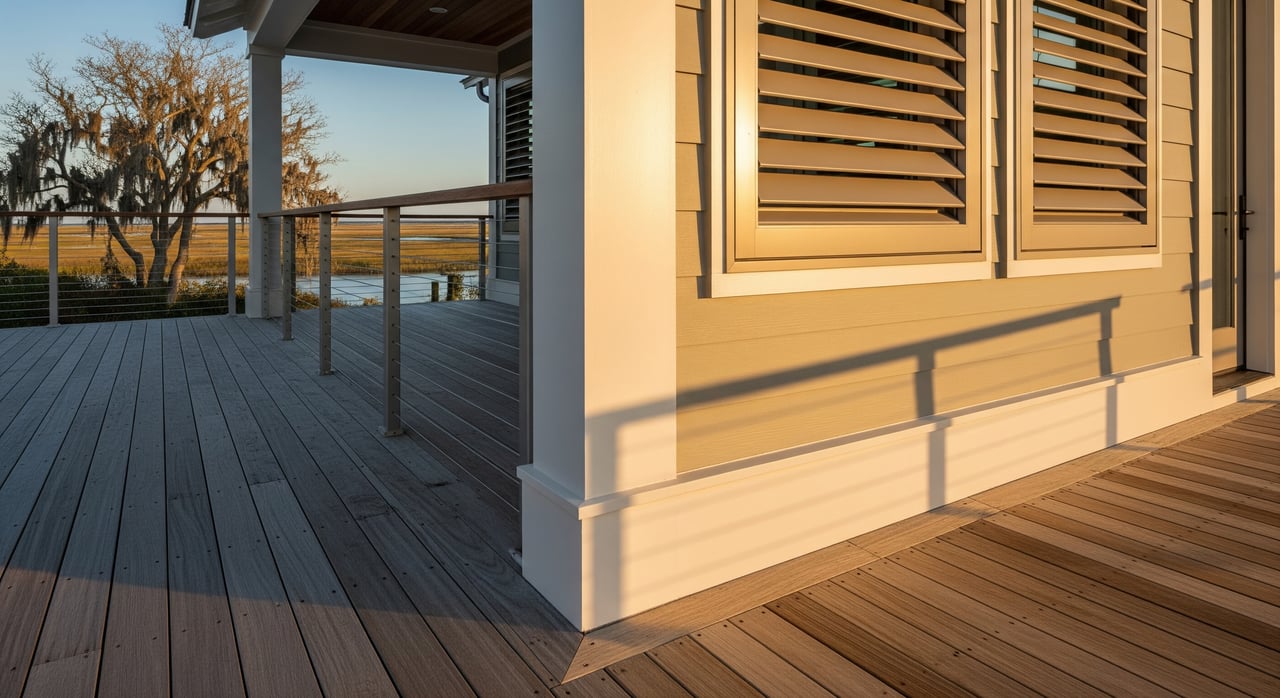
Salt air is tough on houses. If you own or plan to buy in Southport, you already know the breeze that feels great on the porch can be hard on paint, metal, and seals. You want materials that look good, last, and protect your investment through humid summers and storm season. In this guide, you’ll learn which products perform in our coast, how to inspect them, and what maintenance keeps everything tight over time. Let’s dive in.
Why materials matter in Southport
Southport sits at the mouth of the Cape Fear River, where homes see chronic salt spray, high humidity, and periodic tropical systems. In coastal science terms, the atmosphere is often rated in the “very high to severe” corrosion category (ISO 9223 C5–C5M). That means unprotected metal corrodes faster, paint and caulk fail sooner, and water finds weak points.
Storms bring wind-borne debris and pressure changes that test every seam. Choosing resilient materials and certified products is not just about looks. It protects the building envelope, keeps insurance options open, and supports resale value.
Siding and cladding
Fiber-cement
Fiber-cement siding is a top coastal performer. It resists rot and insects, holds paint well, and stays stable in humidity. The key is correct installation with proper flashing, a drainage plane, and primed cut edges. Expect to repaint every 7 to 15 years depending on finish and exposure.
What to watch: unsealed cuts can swell, and severe impacts can cause hairline cracks. Confirm installers follow the manufacturer’s coastal details and use the recommended fasteners.
Vinyl
Vinyl siding can be cost-effective with low initial maintenance. In our sun and wind, it can become brittle over time and is more vulnerable to storm uplift or impact. Fastener corrosion is a concern in salt air, so hardware choice and substrate details matter.
Masonry and stucco
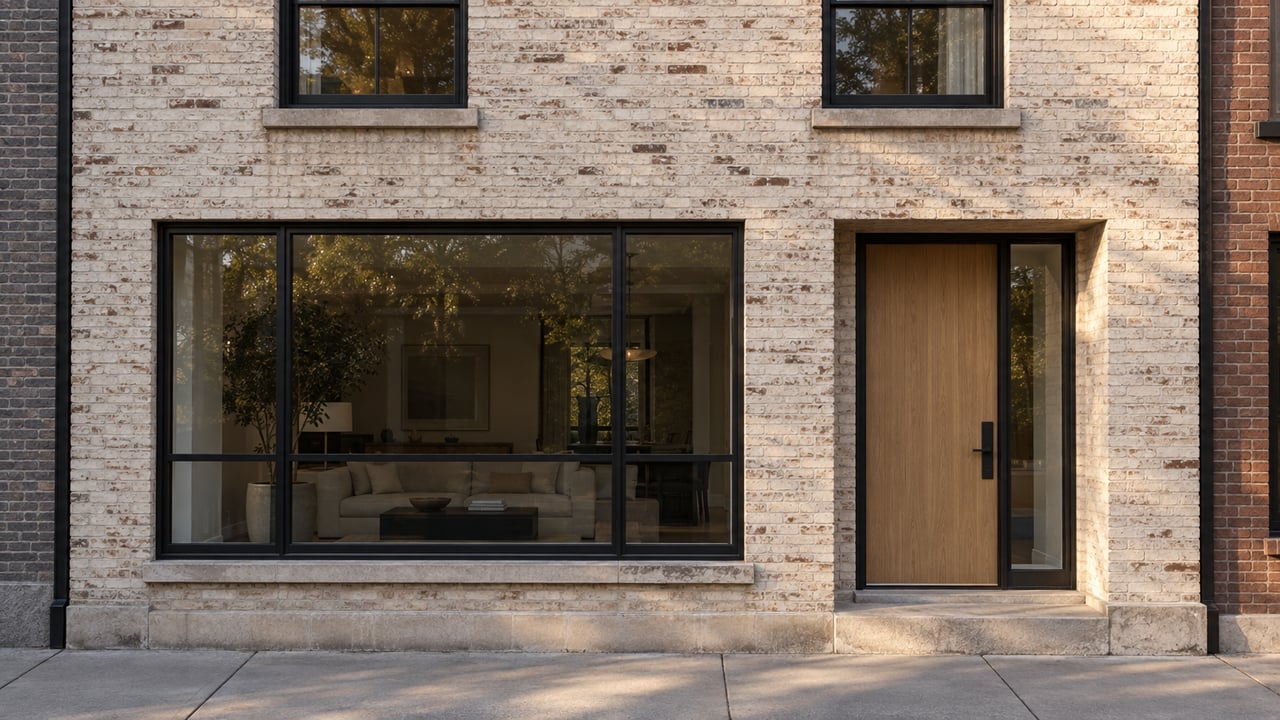
Masonry offers excellent UV and rot resistance. Stucco can perform well if detailed with movement joints, weep systems, and corrosion-resistant lath and fasteners. Stay alert to cracking and moisture pathways.
Engineered wood and panels
These can be viable with the right product and detailing. Check the manufacturer’s moisture ratings and coastal guidance before you commit.
Siding inspection tips
- Look for soft or delaminated sections, especially near lower walls and trim.
- Check for rust staining around fasteners and flashing.
- Note chalking or uneven paint wear on seaward facades.
- Confirm caulk continuity at seams, windows, and penetrations.
Windows and doors
Impact-rated products
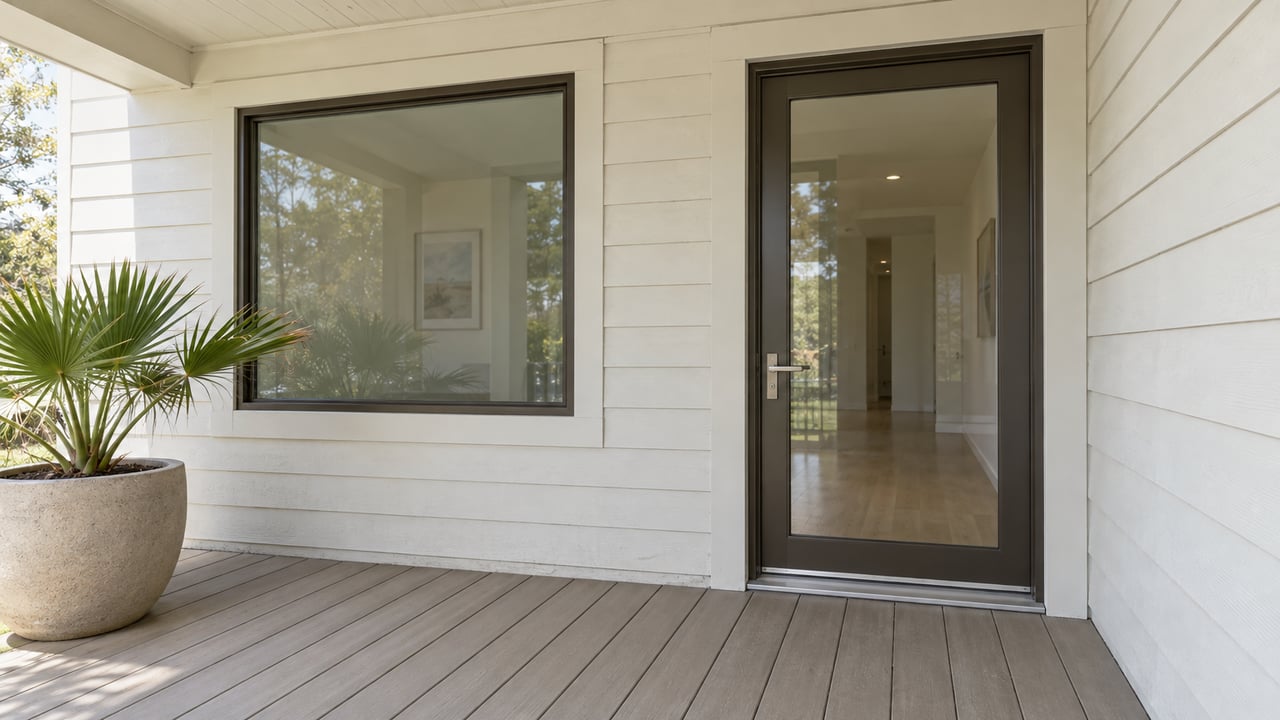
In wind events, the building envelope is everything. Impact-rated windows and doors tested to ASTM E1886/E1996 and products with recognized approvals (such as Miami-Dade or equivalent) help resist debris and pressure cycling. Many insurers prefer or incentivize these products in higher-risk areas.
Look for permanent labels with design pressure and impact ratings, plus NFRC energy labels. Ask for proof of installation by a certified installer and retained documentation.
Frame materials
- Vinyl: low maintenance, but verify wind-load and UV performance.
- Fiberglass: stable, strong, and well-suited to coastal temperature swings.
- Aluminum-clad wood: ensure the exterior metal has a corrosion-resistant finish and seams are sealed.
Seals and thresholds
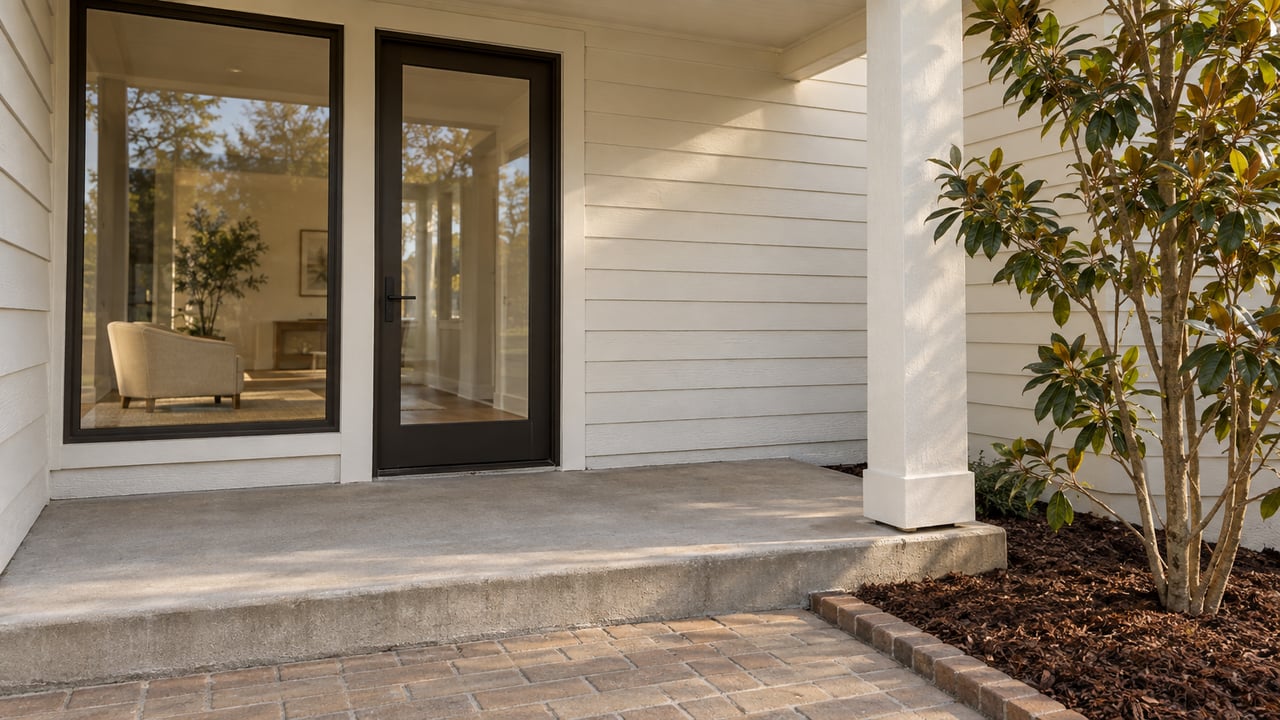
Inspect for fogging between panes, which signals a failed insulating glass unit. Thresholds, sills, and weatherstripping should be corrosion-resistant and properly flashed to prevent wind-driven rain from entering.
Roofing and rainwater
Roof choices
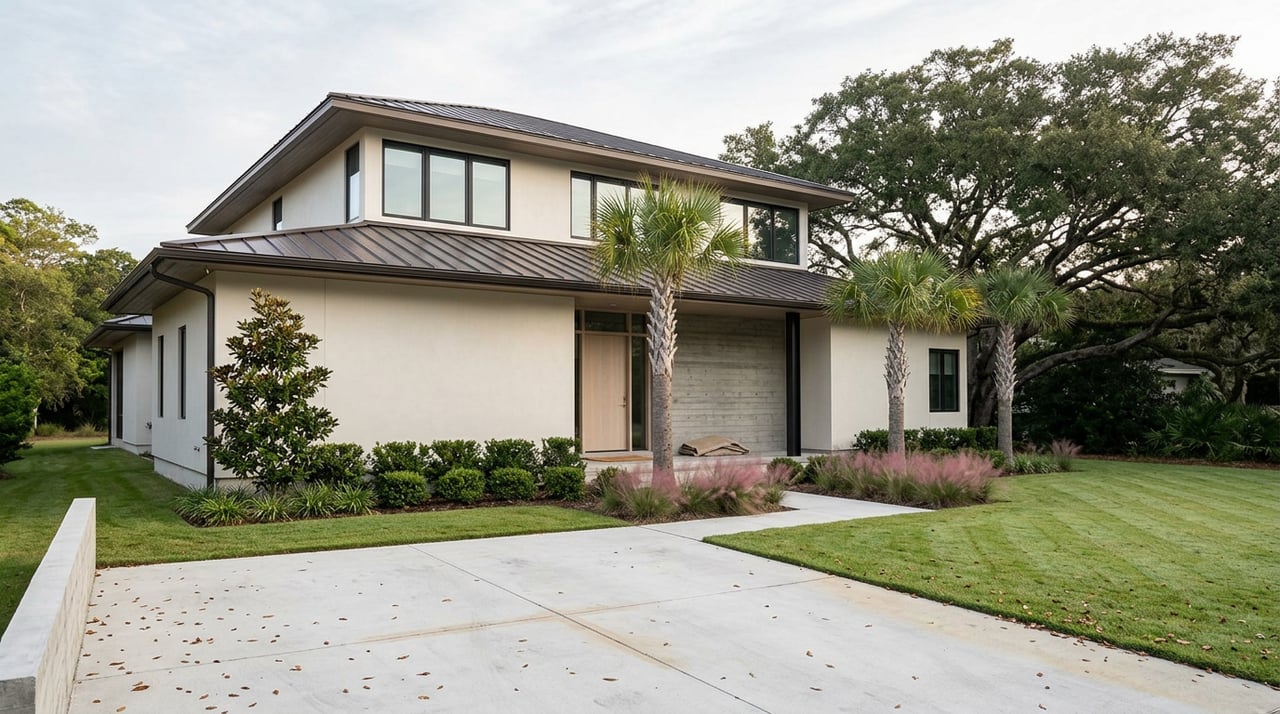
Metal roofing performs well on the coast when you specify corrosion-resistant substrates, high-quality coatings, and compatible fasteners and flashings. Aluminum or stainless components and Kynar-type finishes are common coastal picks.
High-wind-rated asphalt shingles are widely used. Success comes down to proper underlayment, edge details, and uplift-resistant installation.
Drainage details
Keep gutters and downspouts clear to avoid fascia damage and water intrusion. Aluminum or stainless systems are preferred near salt spray. Revisit flashing and sealants on a schedule because UV and salt shorten service life.
Decking and rails
Composite and PVC decking
Capped composites and PVC boards offer low maintenance, strong rot resistance, and slip-resistant options. They do expand and contract, so installers must follow spacing guidelines. Hidden fasteners last longer when they are stainless or specified for coastal use.
Maintenance is simple: rinse and clean annually, check clips and screws, and replace damaged boards as needed.
Tropical hardwoods and treated lumber
Ipe and similar hardwoods are durable when fastened with stainless screws and maintained. Pressure-treated lumber is common but can corrode metal fasteners without the right hardware. Plan on periodic sealing and vigilant fastener checks.
Rail and hardware
Use marine-grade hardware on all exposed components. Avoid plain carbon steel. Corrosion here is both a safety and a cosmetic issue.
Fasteners and metal components
In coastal air, hardware choice can make or break a project. Choose 316 stainless steel for exposed exterior fasteners and connectors because it resists chloride attack better than 304. For concealed or less exposed work, hot-dip galvanized hardware with adequate coating thickness (G185 or higher) performs well.
Coated products can be acceptable if the coating stays intact. Once the substrate is exposed, corrosion accelerates. When in doubt, upgrade the fastener grade.
Paints, sealants, and finishes
High-performance acrylic latex coatings are a go-to for fiber-cement and wood. Expect a repaint cycle in the 7 to 15-year range based on exposure. Prime cut edges and joints carefully.
For exterior wood accents, marine-grade varnishes or two-part polyurethanes can bring beauty, but they need more frequent care in full sun and salt. On metal, epoxy primers and high-build coatings extend life. Use high-quality polyurethane or silicone sealants rated for exterior movement. Plan to refresh caulk every 3 to 7 years.
Moisture-smart interiors and systems
Lower-level areas and utility rooms benefit from moisture- and mold-resistant gypsum or cement board. In flood-prone or below-design-elevation zones, choose materials that can withstand wetting without major performance loss.
HVAC and mechanical equipment lasts longer when elevated, sealed, and housed in corrosion-resistant cabinets. Strong filtration and dehumidification help control indoor salt and mildew. These choices reduce future replacement costs and improve comfort.
Maintenance cadence for the coast
After each major storm (0–7 days)
- Check windows and doors for broken glass, failed seals, or loose trim.
- Scan the roof for missing shingles, dented panels, or damaged flashings.
- Inspect decks, railings, and exterior metal for new rust streaks or fastener failures.
Annual tasks
- Rinse exterior surfaces with low-pressure freshwater to remove salt. Soft-wash where needed.
- Inspect and touch up caulk joints around windows, doors, and siding.
- Clean gutters and downspouts; tighten straps and brackets.
- Lubricate hinges and sliding tracks with corrosion-resistant products.
- Check deck boards and rail connections for corrosion; upgrade failing fasteners to 316 stainless.
Every 2–5 years
- Low-pressure clean composite decks and siding per manufacturer guidance.
- Inspect window and door seals; replace fogged or failed insulating glass units.
- Recoat metal roof flashings or re-seal roof penetrations.
- Refresh paint touch-ups and monitor finish life.
Every 5–15 years
- Repaint or refinish exterior claddings as recommended by the manufacturer.
- Replace aged caulking in major transitions.
- Systematically swap non-coastal-grade fasteners to 316 stainless where failures appear.
- Plan for deck board lifecycle: composites can exceed 20 years; wood varies with care.
How to vet products and pros
Certifications to look for
- Impact resistance: ASTM E1886/E1996 testing and recognized coastal approvals.
- Window and door performance: AAMA/WDMA/CSA ratings and NFRC energy labels.
- Roofing and siding: manufacturer technical sheets with coastal installation details.
Always confirm current local requirements with Brunswick County Building Inspections or the Town of Southport planning department before ordering windows, shutters, or making elevation changes.
Smart questions for contractors
- Have you installed this exact product in coastal conditions? Can you share local references?
- Which fasteners will you use? Will they be 316 stainless or specified hot-dip galvanized?
- Are you a certified installer for this brand? Will the warranty remain valid with your details?
- How will you handle flashing and drainage planes against wind-driven rain?
- Will you provide a written scope listing brands, grades, and a one-year post-install inspection?
Paperwork to collect
- Product data sheets, installation manuals, and warranty documents.
- Impact and design-pressure labels for windows and doors, plus NFRC labels.
- Permits and inspection records for prior work.
- Photos or drawings of critical flashing and deck ledger connections.
Upgrades that support resale
If you want durability that also reads well on the listing sheet, focus on:
- Impact-rated windows and doors with documented approvals.
- 316 stainless fasteners and corrosion-resistant connectors throughout.
- Composite or PVC decking with stainless clips, or tropical hardwoods installed to coastal specs.
- Fiber-cement siding installed with a proper drainage plane and primed cuts.
- Metal roofing or high-wind-rated shingles with documented uplift details.
These choices reduce long-term maintenance, appeal to informed buyers, and can help with insurance and lending conversations.
When you need a second set of eyes, work with a local advisor who understands both market value and construction reality. With hands-on contractor fluency and discreet representation, Crystal evaluates materials, documentation, and installation quality so you can move forward with confidence. If you’re planning upgrades or assessing a property in Southport, schedule a conversation with Crystal Austin to build a clear, resilient plan.
FAQs
What siding lasts longest in Southport’s salt air?
- Fiber-cement and well-detailed masonry perform consistently, while tropical hardwoods can last when fastened with 316 stainless; vinyl is lower cost but more vulnerable to storm damage.
Are impact-rated windows required for Southport homes?
- They are not universally required, but they are strongly recommended for exposed locations and often needed for insurance incentives; always verify current local code and insurer rules.
What stainless fastener grade should I use near the coast?
- 316 stainless is commonly specified for marine exposure because it resists chloride-induced pitting better than 304, especially on exposed hardware.
How often should I rinse salt from my exterior?
- An annual freshwater rinse is a practical minimum, and homes in high-deposition areas benefit from seasonal cleaning to slow corrosion and coating wear.
Which resilience upgrades offer the best resale signal?
- Impact-rated glazing, 316 stainless fasteners, composite or hardwood decks installed to coastal specs, and properly flashed fiber-cement siding tend to deliver strong long-term value.