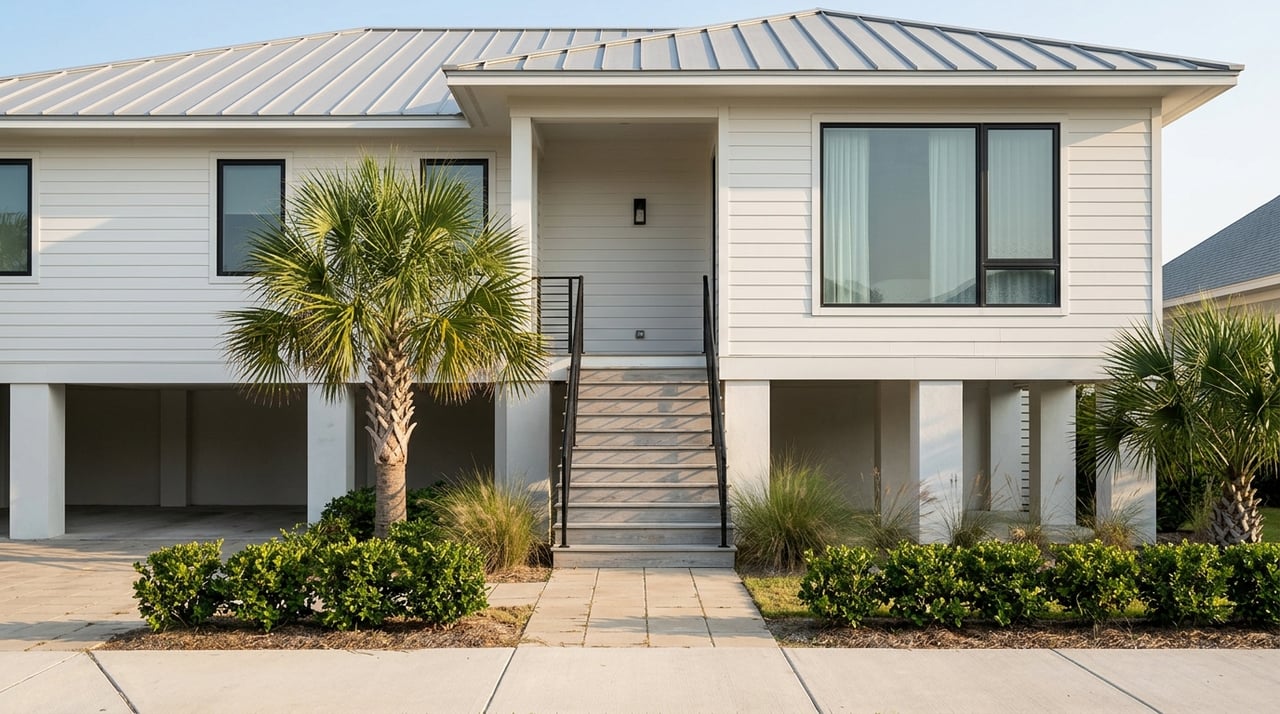
Wondering whether a turnkey beach house or a fixer-upper is the smarter move on Oak Island? It is a fair question, especially when a lower purchase price can look tempting at first glance. But on a barrier island, renovation decisions come with extra layers like permits, flood rules, wind standards, and rebuild limits. If you are weighing lifestyle, budget, and risk, this guide will help you make a clearer decision. Let’s dive in.
Why This Choice Matters on Oak Island
On Oak Island, the gap between turnkey and fix-up is not just about taste or budget. It is also about how much time, coordination, and compliance you are prepared to take on.
A turnkey home usually means you can occupy it or rent it with little immediate work. A fix-up home may offer a lower entry price or room for value-add improvements, but it can also involve contractor scheduling, permit approvals, and renovation surprises that affect your timeline and total cost.
That matters more here because Oak Island requires permits for many types of residential work, including add, alter, and repair projects. The town also states that building without a permit is illegal, and its permitting portal includes categories like roof type changes, CAMA minor permits, and temporary housing during construction.
What “Turnkey” Really Means
A true turnkey beach house should let you move forward with minimal disruption. That might mean the major systems, exterior components, and interior finishes are already in usable condition, with no urgent work needed right after closing.
For many second-home buyers, that predictability is the biggest advantage. If you want to enjoy the property soon, furnish it, and settle into beach life without months of decisions and vendor calls, turnkey often makes that possible.
Turnkey can also reduce the chance that your first year of ownership turns into a construction project. On Oak Island, that can be especially valuable when weather windows, permit review, and coastal building requirements all affect timing.
What “Fix-Up” Means on a Barrier Island
A fix-up home can still be a smart buy, but only if the scope is clear and manageable. Cosmetic updates are one thing. Structural work, system replacements, flood compliance issues, or oceanfront rebuild questions are something else entirely.
Brunswick County notes that electrical, plumbing, and mechanical or HVAC work often require permits. North Carolina also requires a licensed general contractor when project value is above $40,000.
That threshold matters because many beach-house projects grow quickly. What starts as a simple refresh can expand once you uncover aging windows, roofing issues, outdated baths, or work needed to meet current requirements.
Renovation Costs Add Up Fast
One of the biggest mistakes buyers make is underestimating renovation cost. National planning benchmarks in the research show how quickly a project can move from “light update” to major investment.
Angi estimates a whole-house remodel averages about $52,000, with a typical range from $19,000 to $88,000. It also recommends setting aside 10% to 20% for surprises, which is especially relevant in older coastal properties where hidden conditions are common.
Kitchen and bathroom work are often the main budget swing factors. According to the research, minor kitchen remodels can run $10,000 to $20,000, major kitchens $20,000 to $65,000, and complete kitchens $65,000 to $130,000 or more.
Bathrooms can also shift the math quickly. Minor bathroom work may land around $3,000 to $10,000, while full remodels can range from roughly $25,000 to $80,000.
Exterior work can push costs higher too. Roof replacement averages $9,543, with a broad range from about $5,892 to $46,000, and window replacement averages around $750 per window.
Renovation Timelines Are Often Longer Than Expected
Cost is only one side of the equation. Time is the other.
The research notes that a whole-house renovation usually takes 6 to 12 months, and can stretch to 18 to 24 months when structural changes or additions are involved. Even a bathroom remodel often takes 2 to 3 months, while larger kitchen projects can require months of planning, permitting, and construction.
Window projects can be especially deceptive. Installation itself may be quick, but the total timeline from order to completion often runs 4 to 15 weeks.
If your goal is near-term enjoyment, seasonal use, or predictable rental timing, those delays matter. A home that looks like a bargain on paper may cost you a full beach season in practice.
Oak Island Permits Can Change the Math
Permits are not a side detail here. They are part of the decision.
Oak Island’s permitting portal allows owners to apply for permits, pay invoices, request inspections, and check status online. That is convenient for remote owners, but it also shows how many projects require formal review.
Depending on your scope, you may need local residential repair permits, county trade permits, or coastal approvals. Single-family homes that fall under coastal management review may require a CAMA minor permit, and the state says a minor permit is intended to be issued within 25 days once a complete application is in hand.
That sounds manageable until you add planning time, contractor availability, and inspection scheduling. If you are buying from out of town, every extra moving piece can add stress and delay.
Floodplain Rules Deserve Early Attention
Flood risk should be one of your first due-diligence questions on Oak Island. The town provides flood maps, flood-risk information, historical flood information, and elevation certificates for many existing structures.
This matters because homeowners insurance does not normally cover flood damage. It also matters because floodplain rules can affect what you are allowed to improve and what it may cost to bring a structure into compliance.
Oak Island states that new buildings in the floodplain must be elevated to one foot above the base flood elevation. The town also notes that all construction on the island must meet 150 mph wind-zone requirements, and structures in flood zones must use flood-resistant materials.
If a structure is partially or fully in a V-zone, it must be designed by a licensed design professional. That alone can change the scope, timeline, and cost of a renovation plan.
The 50% Rule Is a Major Fix-Up Risk
For many buyers, the biggest hidden issue is Oak Island’s substantial-improvement rule. If repair or renovation costs reach 50% of the structure’s pre-work market value, the home may have to be brought into current compliance.
That can include elevation requirements. In other words, a project that looked like a straightforward remodel can become far more expensive if it crosses that threshold.
Oak Island notes that the town can use a structure value estimate or an appraisal as part of that determination. This is one reason why a fix-up only works well when the planned scope is tightly defined from the start.
Oceanfront and Storm Rebuild Rules Add Another Layer
If you are looking at an oceanfront property, rebuild assumptions should be checked carefully. NC DEQ states that beachfront setback rules are state-run, and Oak Island notes that setback rules can shift if the town’s beach management plan is approved.
That means you should not assume future additions, major repairs, or rebuild plans will be simple. After a storm, DEQ says that if repair cost is more than half the physical value of the house, the owner is treated as rebuilding and must meet current regulations and setbacks.
If the required setback cannot be met, a rebuilding permit is not guaranteed. For buyers considering older oceanfront homes, this is a critical part of risk evaluation.
When Turnkey Usually Makes More Sense
Turnkey often wins when your priorities are simple: predictable timing, lower management burden, and fewer compliance surprises. That is especially true if you are buying a second home, planning seasonal use, or want a property that is ready to enjoy soon after closing.
A turnkey purchase can also be the better value even at a higher price point. If the alternative involves months of work, permit review, contingency spending, and the possibility of flood-compliance triggers, the cheaper home may not stay cheaper for long.
For remote buyers, turnkey also reduces the need to coordinate contractors, inspections, and deliveries from a distance. That can protect both your time and your peace of mind.
When a Fix-Up Can Still Be Worth It
A fix-up can make sense when the home is structurally sound and the planned work stays mostly cosmetic. Fresh finishes, surface updates, and modest improvements are very different from moving walls, replacing systems, or altering the building envelope.
It can also work if you have a realistic reserve for surprises and a clear understanding of what permits may be needed. The research suggests that on Oak Island, a fix-up is only truly “cheap” when the scope stays cosmetic and the flood and permitting math stays friendly.
Once roof work, windows, baths, systems, setback issues, or elevation concerns enter the picture, your downside grows. At that point, many buyers find that turnkey was the cleaner decision all along.
Oak Island Due Diligence Questions to Ask
Before you choose a turnkey home or fixer, start with the questions that matter most locally:
- What flood zone is the property in?
- Is there an elevation certificate available?
- What permits were previously pulled for the property?
- Would your planned work require electrical, plumbing, HVAC, or CAMA review?
- Is the renovation scope likely to approach the 50% substantial-improvement threshold?
- Are roof, windows, or exterior components near the end of their service life?
- If the home is oceanfront, what current setback rules apply?
A local contractor walk-through should happen early, not near the end of your inspection period. That is one of the clearest takeaways from the research, and it can save you from making assumptions that get expensive later.
The Bottom Line for Oak Island Buyers
On Oak Island, this decision is about more than whether you prefer someone else’s finishes or want a project. It is about whether the property fits your timeline, risk tolerance, and intended use.
If you want a smoother path to occupancy and fewer moving parts, turnkey is often the stronger choice. If you are considering a fix-up, it should be because the opportunity is clear, the scope is limited, and the compliance picture has been checked carefully.
In a coastal market where flood rules, permits, wind standards, and rebuild limits can all affect value, the smartest purchase is usually the one that gives you the most clarity before you close. If you want help weighing property condition, renovation feasibility, and local market context, connect with Crystal Austin for a private consultation.
FAQs
Is a fix-up beach house on Oak Island cheaper than a turnkey home?
- Not always. A lower purchase price can be offset by renovation costs, permit requirements, contractor delays, and possible flood-compliance issues.
What permits might a beach house renovation need on Oak Island?
- Depending on the scope, you may need local residential add, alter, or repair permits, trade permits for electrical, plumbing, or HVAC work, and possibly a CAMA minor permit for coastal review.
What is the 50% rule for Oak Island renovations?
- If repair or renovation costs reach 50% of the structure’s pre-work market value, the home may have to be brought into current compliance, which can include elevation requirements.
Are flood concerns important when buying an Oak Island fixer-upper?
- Yes. Flood zone, elevation data, flood-resistant material requirements, and potential compliance costs should all be reviewed early in the process.
How long does a fixer-upper renovation usually take?
- Timelines vary, but the research shows whole-house renovations often take 6 to 12 months, with larger projects sometimes stretching to 18 to 24 months.
When does a turnkey beach house make the most sense on Oak Island?
- Turnkey is often the better fit when you want predictable occupancy, less contractor management, and a lower chance of delays tied to permits or compliance review.