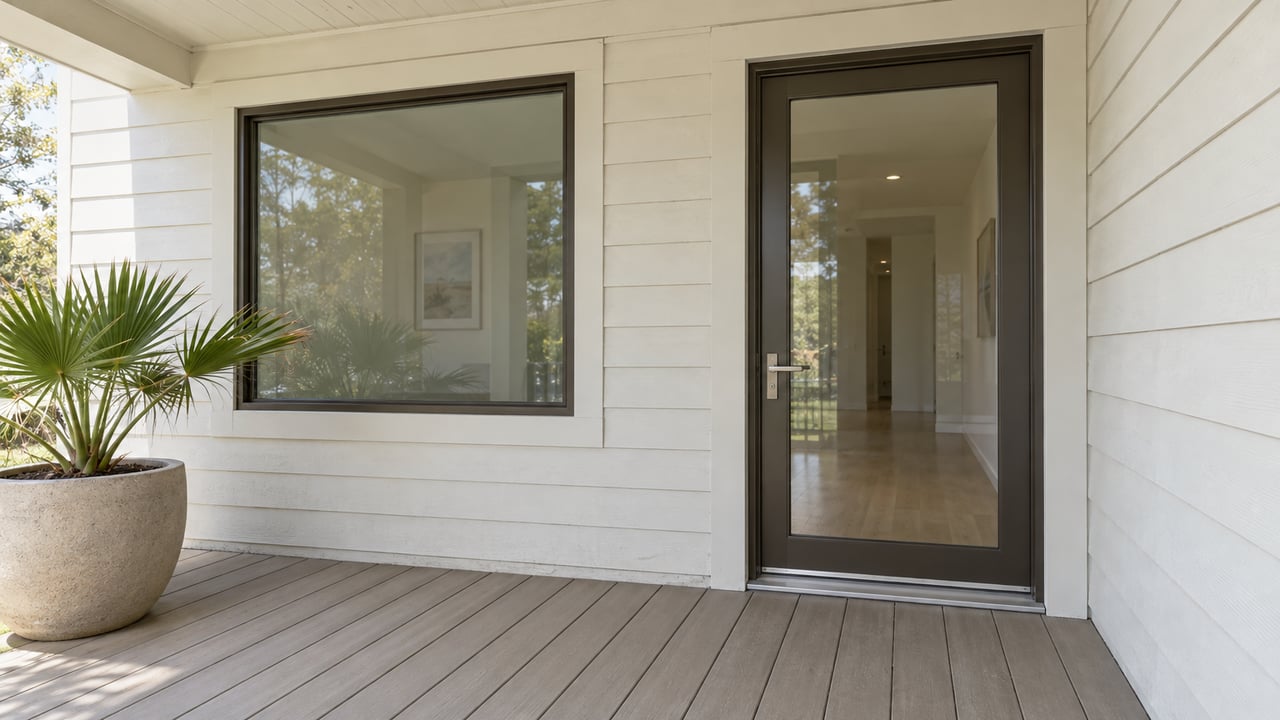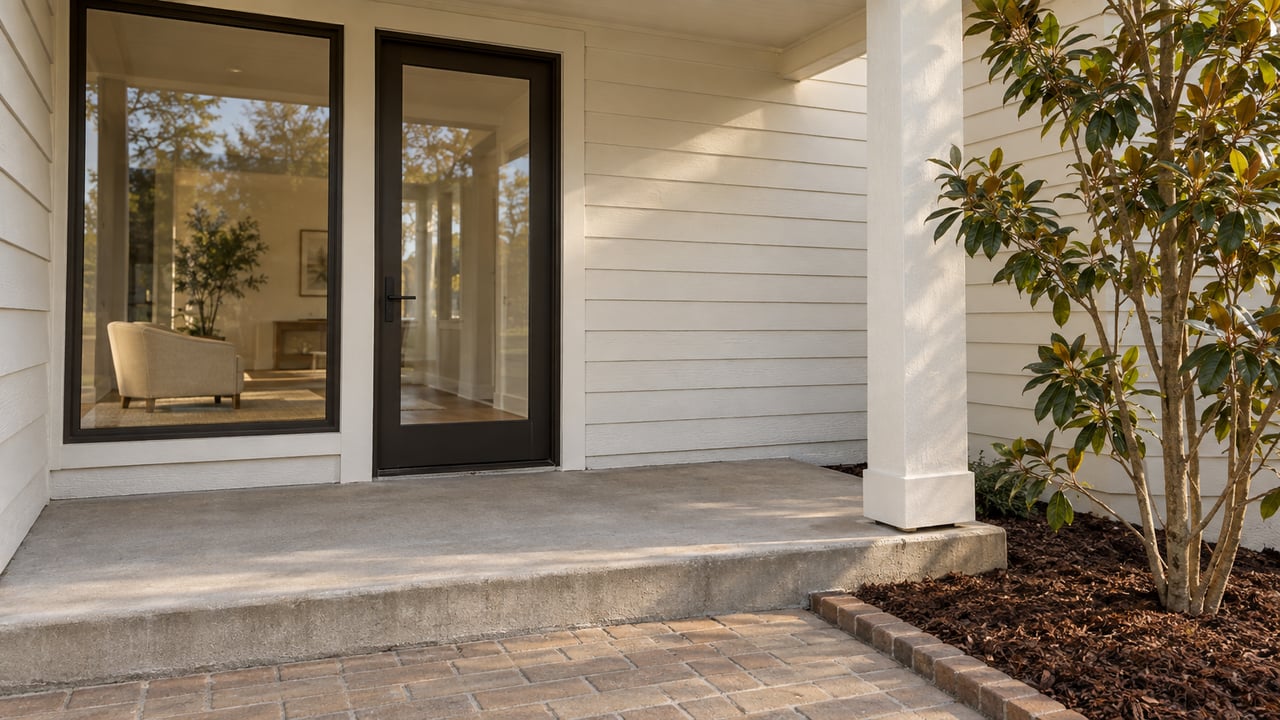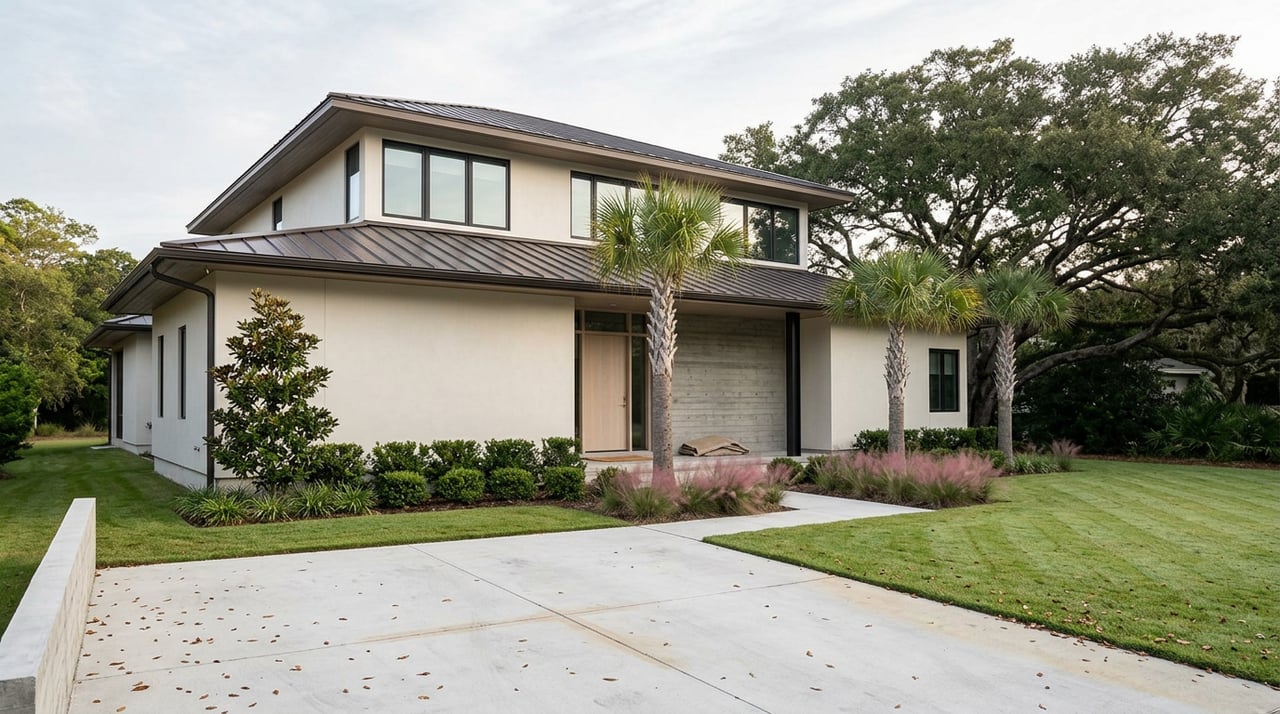
Picture two listings pulled from the same week's inventory. One sits in Southport's historic core, priced in the mid $500s, marketed with photos of a full summer booking calendar and language about turnkey rental income. The other sits about fifteen minutes away on Oak Island, priced in a similar range, with no mention of rental history at all. A buyer comparing the two on price alone would assume the Southport home comes with a head start: an established rental business, ready to keep earning from the day the deed transfers.
That assumption is the one worth catching before it costs anything. In Southport, the right to rent that house by the night is not attached to the property the way a driveway or a dock is. It is attached to a specific owner, a specific use, and a permit that the city's own ordinance says can end the moment the house changes hands, as WWAY reported.
The gap between these two markets was never really about price. It comes down to a zoning decision Southport made in 2021, a court ruling in 2022 that undercut how the city can enforce it, and Oak Island's decision never to write a comparable ordinance in the first place.
The Clause Nobody Reads Until It's Too Late
The City of Southport adopted its short-term vacation rental ordinance on July 8, 2021. Itallowed properties already operating as rentals to continue as legal nonconforming uses if the owner applied for a zoning permit before September 7, 2021. At the time, the city estimated more than 100 homes were operating as vacation rentals inside its limits.
The nonconforming status came with conditions that read more like a lease than a title. As STR Profit Map reports, discontinuing the rental for 180 consecutive days forfeits nonconforming status for good. And as the ordinance was originally adopted and reported at the time of passage, selling the home ends the rental right along with it. The "established rental business" a buyer sees advertised in a Southport listing is a use tied to a specific operating history, not a feature that automatically rides along with the sale.
A Permit Built on Ground That Moved
There's a second complication layered on top of the first. In April 2022, the North Carolina Court of Appeals ruled in Schroeder v. City of Wilmington that local governments cannot require short-term rental owners to register with the city as a condition of operating, since state law preempts that kind of registration requirement. The ruling left standing a city's general zoning authority to regulate where and how short-term rentals operate, things like district restrictions and parking standards, but it struck at the registration and permitting mechanism itself.
Southport's Board of Aldermen responded that September. As The State Port Pilot reported, on the advice of the city attorney, the board voted to suspend enforcement of its own permitting requirement, directed staff to prepare refunds for anyone who had paid permit fees, and sent the ordinance back to the planning board to draft language that would hold up under the ruling.
That leaves an unusual gap for anyone doing diligence on a Southport property today. A seller telling you the house "has the permit" is describing a status that needs confirmation from the city's planning office, not a fact settled by the listing sheet.
Before writing an offer on a Southport property marketed as an income rental, it's worth verifying directly with the city:
- Whether the rental has operated continuously, since a 180-day gap forfeits the status under the ordinance as adopted
- Current insurance coverage, since the ordinance sets a $1,000,000 general liability minimum for short-term rentals and $500,000 for homestays
- What happens to the permit at closing, since the ordinance's original terms tie the use to the current owner rather than the deed
Oak Island's Bet: No Permit, No Forfeiture Clause
A short drive down the causeway, Oak Island took the opposite path. According to STR Profit Map, Oak Island has no local ordinance governing short-term rentals. Rentals there operate under the state's Vacation Rental Act, the same law that applies to vacation rentals anywhere in North Carolina regardless of what a given city or town layers on top of it. There is no zoning permit tied to the rental use, no requirement to prove a prior booking history, and no clause anywhere that erases the rental right when a house sells.
The practical difference shows up in the supply numbers. As of mid-2026, Oak Island carried roughly 1,400 active Airbnb and Vrbo listings, a volume that data trackers such as AirROI classify as operating under a low local regulatory burden. Southport hasn't added a new short-term rental to a residential street since the ordinance took effect. Much of the older housing stock sits in residential blocks near downtown and the waterfront.
| Oak Island | Southport, residential districts | |
|---|---|---|
| Existing rentals | No restriction | Continue only as a legal nonconforming use |
| Permit required | No | Yes; enforcement paused |
| Rental status at sale | Unaffected | At risk under the ordinance's original terms |
What the Revenue Numbers Actually Say
As of mid-2026, tracking services put Oak Island's average annual short-term rental revenue in the neighborhood of $41,000 with occupancy near 38 percent, though estimates vary by data provider and by property type, size, and location within town. Those figures are directional, not a guarantee for any specific address, and a serious buyer should run comparables on the actual street rather than the townwide average.
Southport's scarcity works differently. With only roughly a hundred residential rentals grandfathered in back in 2021, and no path for new ones, those existing rentals could in theory command a premium simply because supply can't expand to meet demand. But scarcity only becomes a durable asset if it survives a transaction, and under the ordinance's original terms, this one doesn't automatically survive a sale. A rental income stream that ends at closing unless separately confirmed and negotiated isn't really an appreciating asset. It's a countdown clock dressed up as one.
What This Means at the Offer Table
For a buyer weighing Southport against Oak Island with rental income in mind, the diligence checklist looks different depending on which side of the causeway you're on.
In Southport, treat any advertised rental income as conditional until the city confirms it in writing. Ask for the current permit number and verify active status with Development Services rather than taking the seller's representation at face value. Ask specifically whether the rental use is expected to transfer with the sale, and get that answer from the city, not just the listing agent, given the ordinance's stated terms and the unresolved enforcement questions left by the Schroeder ruling.
In Oak Island, the zoning fight simply isn't part of the equation. The diligence shifts elsewhere: check the specific HOA or POA covenants on the street you're buying, since a private covenant can restrict short-term rentals even where state and town law both allow them.
FAQ
Has Oak Island considered adopting its own short-term rental ordinance? No such ordinance has been proposed publicly by the town council as of mid-2026. Rentals there continue to operate under the statewide Vacation Rental Act alone.
What's the difference between a homestay and a full short-term rental permit in Southport? A homestay requires the owner to live in the property full-time, caps the operation at two guest rooms, prohibits special events, and carries a lower minimum insurance requirement of $500,000. It's a separate, more limited permit category from the standard short-term vacation rental permit.
Could a statewide law override Southport's local rules? A bill introduced in the North Carolina Senate, S291, would set some statewide limits on how far local governments can regulate short-term rentals. As of this writing, Minut reported that it had not advanced out of committee, so Southport's ordinance remains the operative rule for now.
If you're weighing a rental purchase on either side of this line, the paperwork matters as much as the price. Crystal Austin spent twelve years in law enforcement before becoming a broker and holds a limited general contractor license, which means the diligence on a property like this goes past the comps and into the permit file, the zoning letter, and the fine print that decides whether a rental income stream survives the closing table. Schedule a private consultation to review what a specific Oak Island or Southport property can and can't legally deliver before you write the offer.
This article is general information, not legal, tax or financial advice. Consult a qualified professional about your situation.